
Fewer hauls. Lower waste cost. Cleaner property.
Compactors compress your trash before the hauler ever gets there, which means fewer pickups, smaller bills, and a cleaner dock area. If you already have one, we keep it running. If you don’t, we’ll help you figure out which one fits your space, your waste type, and your volume.
We work on every major brand, sell new and rental units, and dispatch technicians anywhere in South Florida. One vendor, the whole lifecycle.
FOUR TYPES OF COMMERCIAL COMPACTORS
The right compactor depends on your waste type, your volume, and your facility layout. Don’t worry about which one you have or need, just call us and we’ll sort it out.
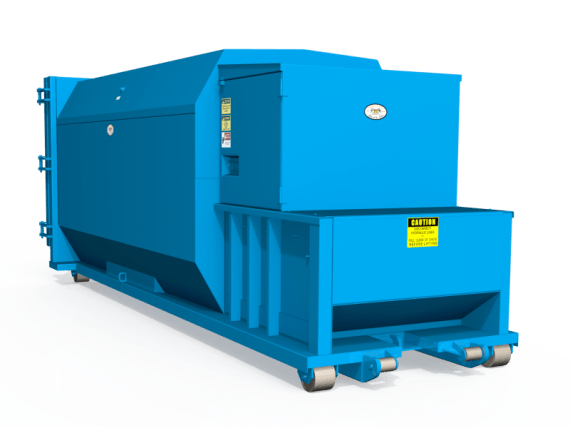

Self-Contained Compactors
The most widely used wet-waste compactor in the industry. The container and the compactor are sealed as one unit, ideal for food waste, restaurants, hospitals, and anywhere leakage is a problem.
Request Service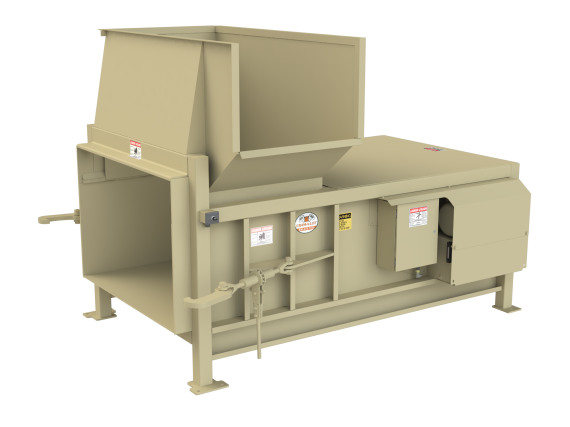
Stationary Compactors
The most widely used dry-waste compactor in the industry. The compactor stays mounted to the building; the receiver container detaches for hauling. Common in retail, distribution, and manufacturing.
Request Service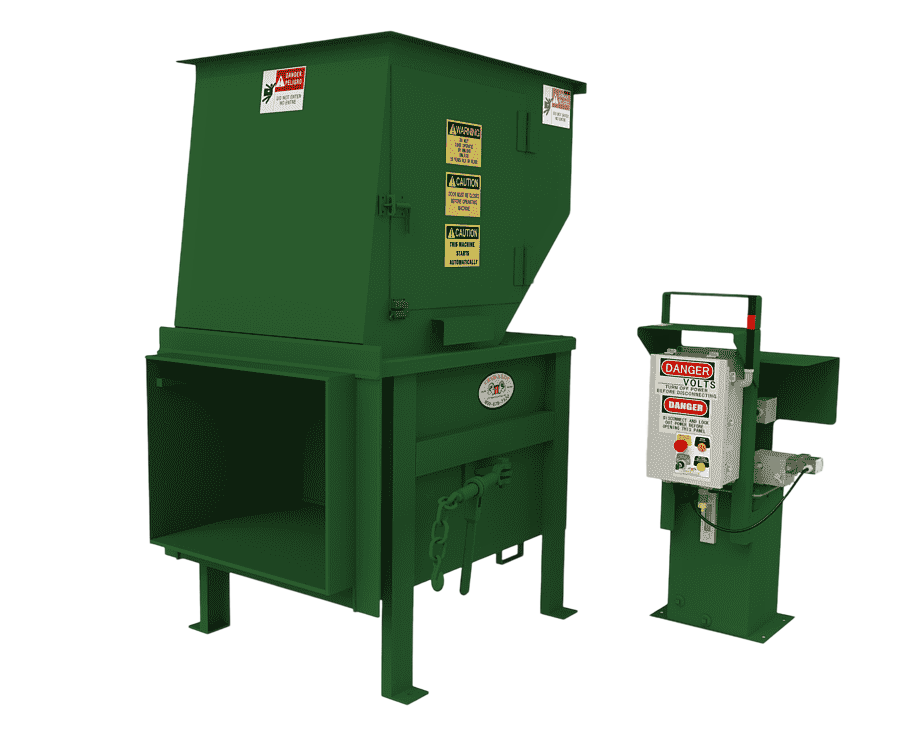
Apartment & Vertical Compactors
Compact compaction systems built for tight spaces. Standard equipment in condo and apartment trash chutes, small commercial buildings, and back-of-house at urban properties where floor space is limited.
Request Service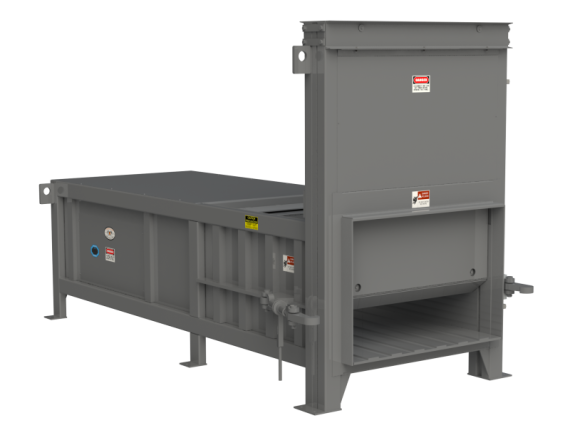
Augers & PreCrushers
Heavier-duty compact solutions for tougher applications, bulky waste, glass, lumber, manufacturing scrap. Pre-crushers break the material down before it enters the compactor so you get the volume you’re paying for.
Request ServiceFewer hauls. Lower cost. Cleaner property.
Compacted waste takes up less space, which means fewer pickups by the hauling company. For most properties, the equipment pays for itself inside a year, sometimes inside a few months.
We handle the full lifecycle. The pieces below are part of every compactor program we run:
Customized terms that fit how your business runs its capex and opex.
Site evaluation, sizing, dock fitment, before you buy.
Set up new equipment and decommission the old without disrupting operations.
Quarterly or annual PM plans, documented and on schedule.
Common parts on the truck. First-trip resolution most of the time.
After-hours dispatch for breakdowns that can’t wait until Monday.
These are the most common problems we fix.
Sound familiar? Call us. Most of these are things our technicians have seen many times before.

It won’t cycle
Hit the button and nothing happens, no ram movement, no motor sound, or the panel is throwing an error. Usually electrical or a safety interlock.

It’s leaking oil
Hydraulic fluid on the dock floor around the compactor. Almost always a hose, fitting, or cylinder seal. We carry the fix on the truck.

The ram is stuck
Ram extended into the container and won’t retract. Usually a jam, a stuck valve, or a hydraulic pressure issue. We’ll diagnose and clear it.

It’s cycling slow
Ram still moves but the compression cycle takes forever, or you’re getting weak bales. Usually a hydraulic pump or fluid level issue.

The container won’t detach
On stationary units, the receiver container won’t separate from the compactor for hauling. Usually an interlock or a worn coupling.

It failed a safety check
An inspector or insurance audit flagged something, missing guards, a broken e-stop, or another safety issue. We can fix it and document it.
We work on every major baler in South Florida.




South Florida coverage.
From the Treasure Coast down through the Gold Coast, west across to Southwest Florida, and down the Keys. Filter by region or scan the full list.
Yes, most callers don’t. Snap a photo when you call (especially of any nameplate or sticker), or just describe what you see. We’ll figure out the rest. Our technicians work on every major brand in this market.
Depends on how your business runs its capex and your volume. We’ll walk you through the math, what the equipment costs, what it saves on hauling, and how that pencils out under each structure. No pressure either way.
Yes, most of the equipment we service was sold by somebody else. We work on every major brand and a lot of the discontinued ones, too.
Yes, if the contract allows it. A lot of haulers include a basic compactor in the service agreement but don’t do their own repairs, that’s where we come in.
Self-contained, the compactor and container are sealed as one unit, used for wet/food waste so liquids can’t leak. Stationary, the compactor stays mounted and the container detaches for hauling, used for dry waste like cardboard and dry trash. We’ll help you pick.
Depends on what’s wrong. We quote before we do the work, and we don’t do anything you haven’t approved. If the visit turns out to be just a quick fix, we charge accordingly.
Yes. After-hours line goes straight to dispatch. If your compactor is down on a Saturday and you can’t wait until Monday, we can usually have a tech rolling.
Ready to talk? So are we.
Tell us what’s happening — a broken baler, a quote on a new one, or just a question. Phone goes straight to a real person.
Quick Request
"*" indicates required fields